Context
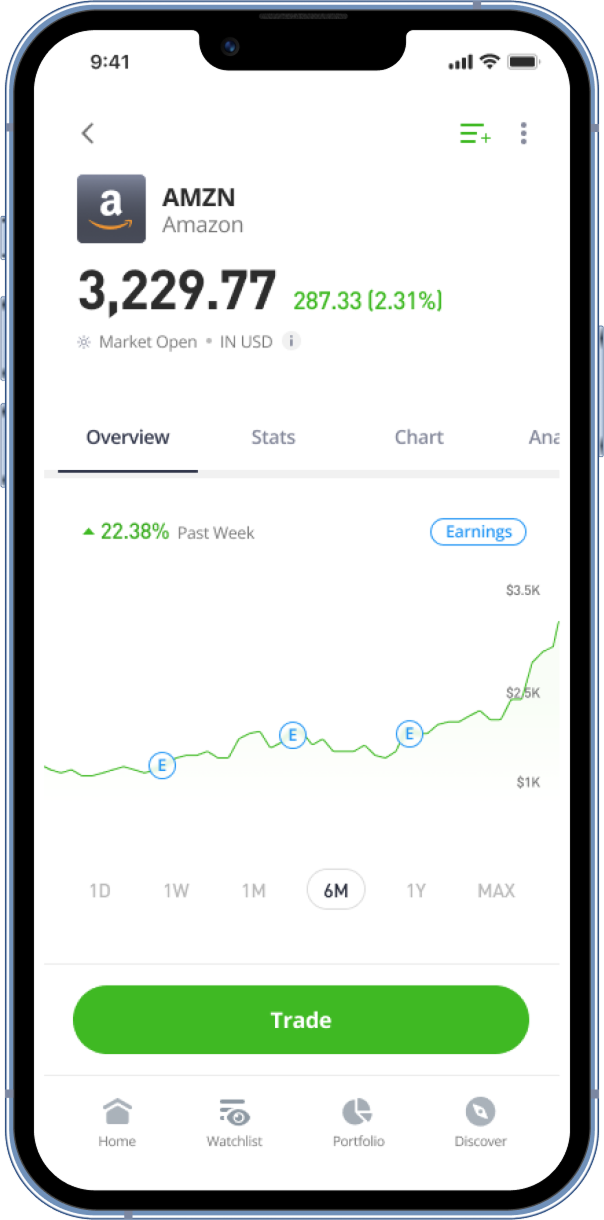
eToro is one of the world's largest social trading platforms. At any given moment, millions of users are browsing assets, watching positions, and deciding whether to trade.
I was brought in to look at a specific part of the funnel: the path from asset discovery to trade execution.
The hypothesis going in
The trading flow had been built incrementally over years. Each team had added their piece — risk disclosures here, a upsell prompt there, an educational nudge somewhere else. Nobody had ever stepped back and looked at it as a whole from the user's perspective.
My hypothesis: the flow had accrued enough friction that a meaningful number of users who intended to trade were abandoning before they got there.
The approach
Rather than running surveys or pulling session recordings, I started by reverse-engineering the flow myself — as if I were a new user trying to make my first trade.
I documented every step, every modal, every decision point. Then I brought in 8 users and watched them attempt the same flow while thinking out loud.
Two things stood out immediately:
- Users were being asked to confirm information they had already provided
- A key step was triggering a modal that users universally found confusing — many thought it meant something had gone wrong
The fix
We redesigned two screens and removed one confirmation step that turned out to be redundant (the data was already captured upstream in the account setup flow).
One engineer. Two weeks of work. No new features — just removing friction.
The outcome
The experiment ran for three weeks against 50% of traffic.
The result: a statistically significant lift in trade completion rate that, when projected against monthly active users and average trade value, translated to +$1.5M ARR.
What this taught me
Large platforms accumulate friction like barnacles on a ship. No single team added it intentionally — it's the natural result of many good decisions made in isolation over time.
The highest-leverage growth work isn't always building new things. Often it's standing in the user's shoes, tracing the full journey, and asking: does this step need to exist at all?
The best experiment I ever ran wasn't a new feature. It was a deletion.